






The History of Pha Khao Ma and the Songkran Festival
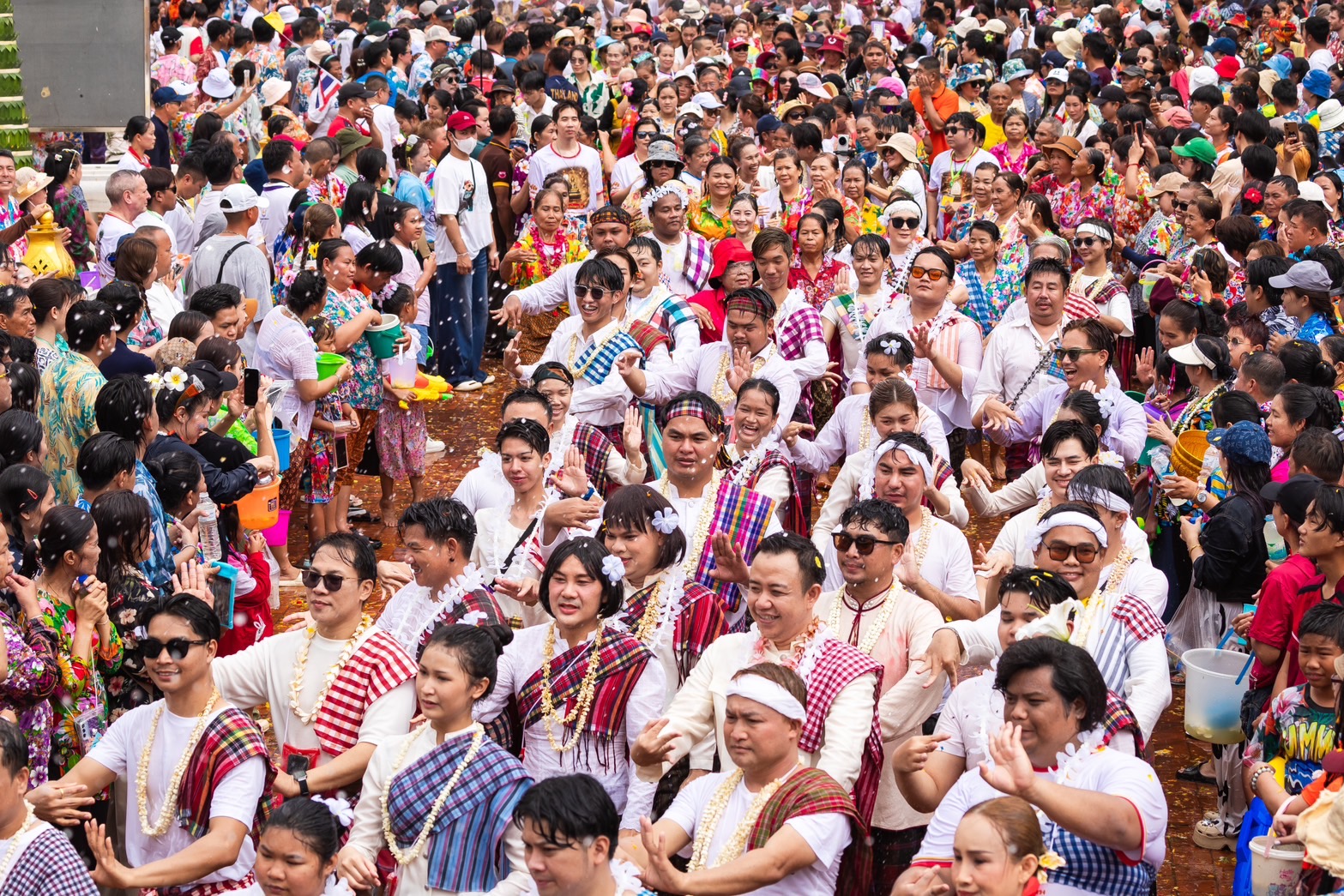



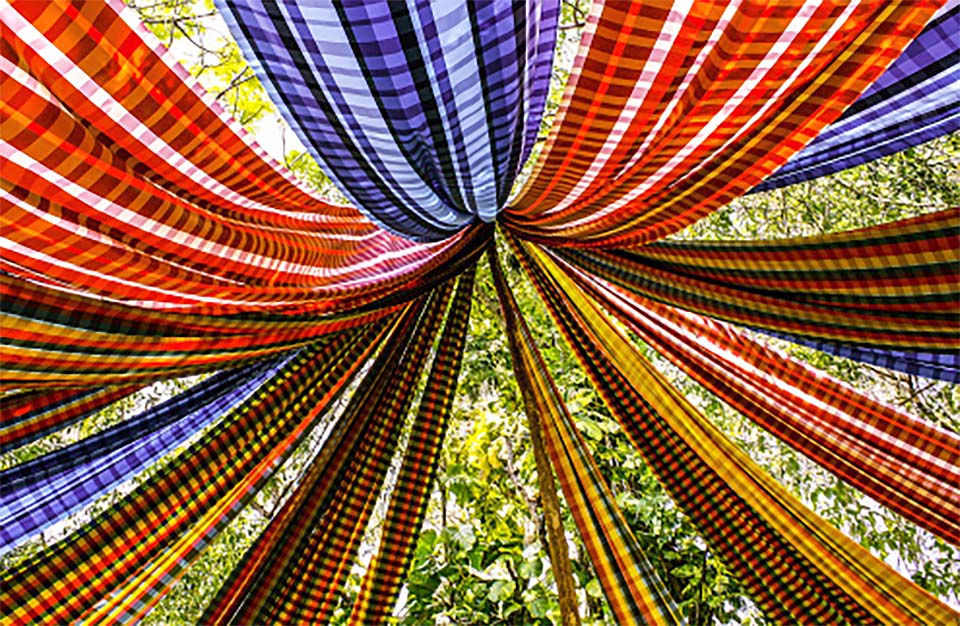
The connection between the Pha Khao Ma (Thai multipurpose loincloth) and the Songkran Festival is rooted in the Thai way of life, which has been intertwined with this versatile fabric since ancient times. Today, it has become a cultural symbol promoted during this world-class festival. Here are the details :
1. History and Origins of Pha Khao Ma
The word “Pha Khao Ma” is not originally Thai. It is derived from the Persian word “Kamar band”:
- Kamar: Means the waist or the lower part of the body.
- Band: Means to wrap, tie, or fasten.
Together, it means a waistband or a sash.
Journey into Thai Culture: It is believed that Thailand adopted this influence from Persian merchants via the Malay Peninsula. It eventually became a multipurpose cloth essential to Thais in every region. In the Northeast (Isan), it is often called “Pha E-Po.”

2. Connection to the Songkran Festival
Lifestyle and Attire: In the past, Thai men commonly wore the Pha Khao Ma while bathing or cleaning the body. This aligns perfectly with the activities of bathing Buddha statues and water splashing during Songkran. The fabric is practical, convenient to wear, and dries quickly.
A Symbol of Respect (Rod Nam Dum Hua): In certain areas, such as Nong Khai Province, there is a tradition called “Pha Khao Ma Somma Luang Phor Phra Sai.” Villagers offer Pha Khao Ma to the temple or use it to wipe the Buddha statues for good fortune during the Thai New Year.
Modern Cultural Campaigns: For several years, events like “Songkran Maysa Pha Khao Ma Sanan Lok” (Global Songkran with Pha Khao Ma) have been held at Siam Square. These events encourage the younger generation to wear Thai fabrics and use Pha Khao Ma instead of inappropriate attire, promoting a “White Songkran” image that is safe and sustainable.
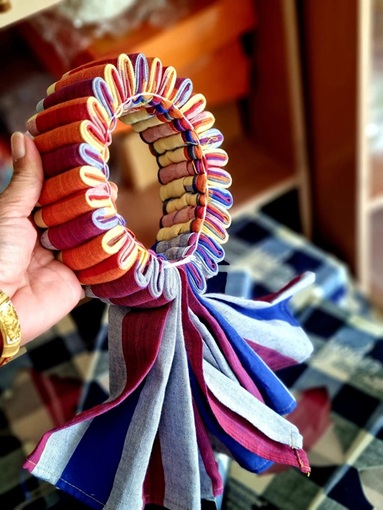

3. Functional Uses During the Festival
Pha Khao Ma is used for various purposes during Songkran, such as:
- Headscarf: To protect against the sun while playing with water or making merit at the temple.
- Waist Sash or Scarf: For mobility and to wipe away sweat.
- As a Gift: It is often given to elders as a gesture of “Somma” (asking for forgiveness and showing respect) during the Rod Nam Dum Hua (water-pouring) ceremony.





Contact us






Top