






The History of Pha Khao Ma and the Songkran Festival
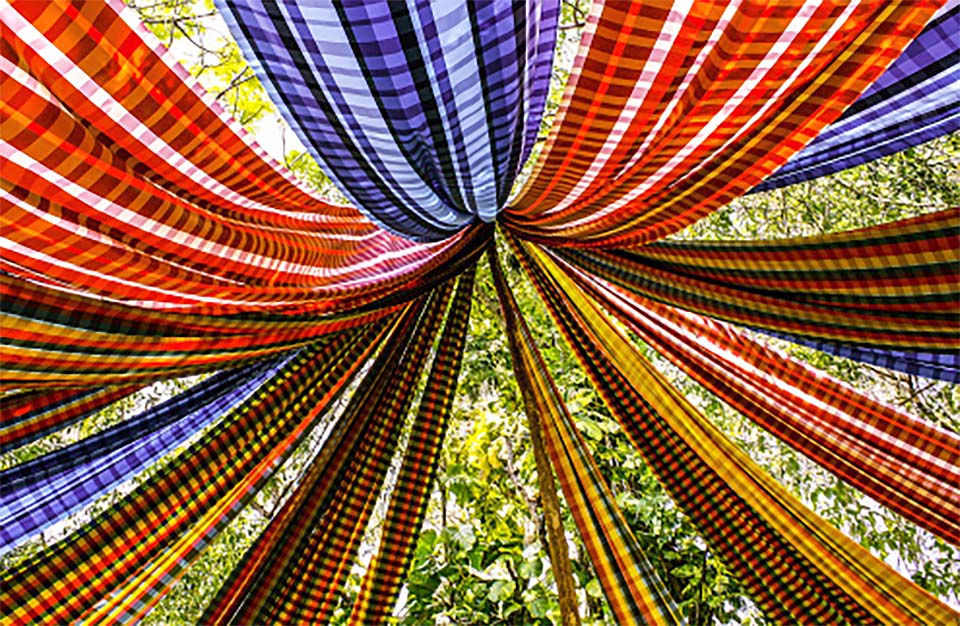



The connection between the Pha Khao Ma (Thai multipurpose loincloth) and the Songkran Festival is rooted in the Thai way of life, where this versatile fabric has been part of everyday living for generations.
The word “Pha Khao Ma” is believed to originate from the Persian term “Kamarband,” with kamar meaning the waist and band meaning to wrap or tie. Together, it refers to a waistband or sash. Over time, this influence was introduced to Thailand through trade routes via the Malay Peninsula and gradually became an essential multipurpose cloth used across all regions of the country. In the Northeast, it is often known as “Pha E-Po.”
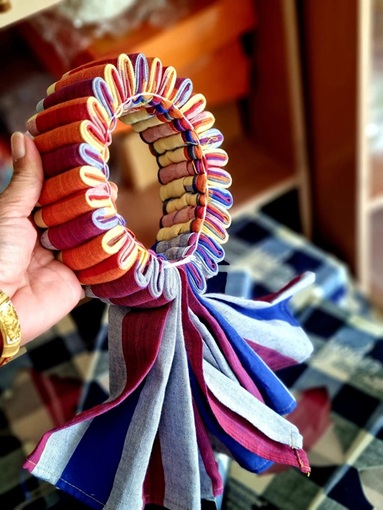

Historical evidence traces its presence back to the Chiang Saen period, as seen in murals at Wat Phumin, and later during the Ayutthaya era, where it was worn over the shoulder, around the waist, or draped around the neck—reflecting both practicality and cultural identity.
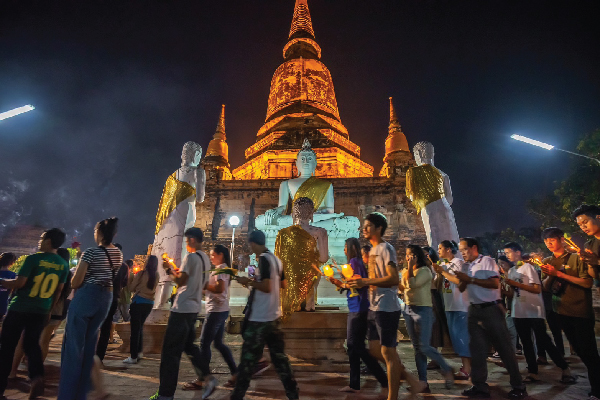
During the Songkran Festival, Pha Khao Ma naturally becomes part of the celebration. Its lightweight and quick-drying nature makes it ideal for water activities, while also serving as protection from the sun and allowing ease of movement. In the past, it was commonly worn by Thai men while bathing or cleansing the body, aligning closely with traditional Songkran practices such as bathing Buddha images and water splashing.
Beyond its practical use, Pha Khao Ma holds cultural and symbolic meaning. It is often presented to elders during the Rod Nam Dum Hua ceremony as a gesture of respect and a way of asking for blessings and forgiveness. In certain regions, such as Nong Khai Province, traditions like “Pha Khao Ma Somma Luang Phor Phra Sai” involve offering the cloth to temples or using it in rituals for good fortune during the Thai New Year.
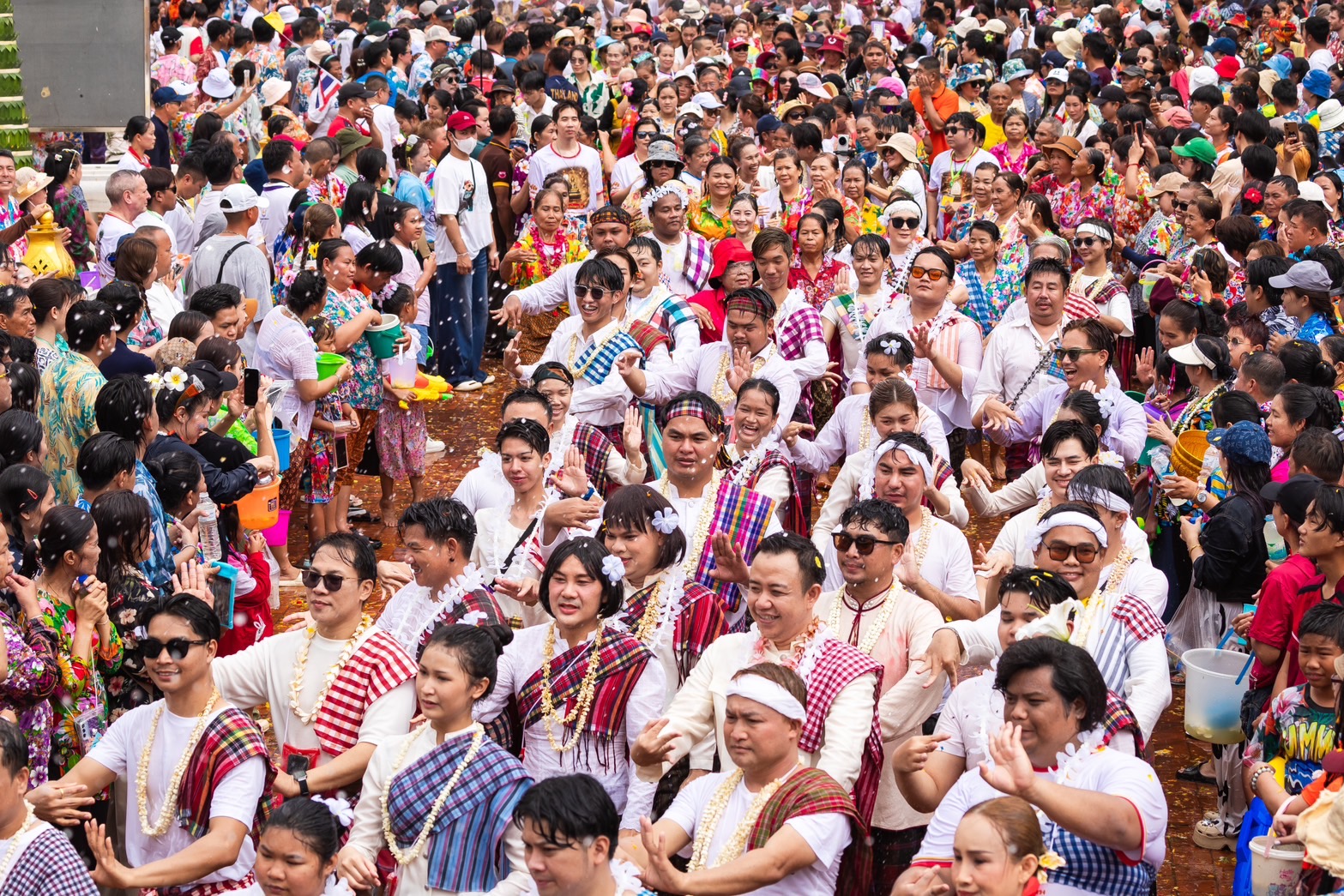

In recent years, Pha Khao Ma has been reintroduced through cultural campaigns such as “Songkran Maysa Pha Khao Ma Sanan Lok,” encouraging younger generations to embrace Thai textiles. These initiatives promote a more respectful, culturally grounded, and sustainable image of Songkran.
Today, Pha Khao Ma continues to serve a variety of purposes. It can be worn as a headscarf to protect from the sun, used as a waist sash or scarf for comfort and mobility, or given as a meaningful gift to elders—symbolizing gratitude, respect, and the act of “Somma.”
Pha Khao Ma is more than just a piece of fabric—it reflects a way of life rooted in simplicity, connection, and Thai cultural heritage passed down through generations.
During Songkran, it becomes a meaningful symbol of respect, warmth, and the living spirit of Thai identity.
At Prince Palace Hotel Bangkok, we embrace the richness of Thai culture and reinterpret it through a contemporary perspective—creating experiences that connect our guests with the authentic character of Bangkok.
Through this approach, we continue to support local traditions, celebrate Thai craftsmanship, and contribute to more responsible and sustainable tourism.





Contact us






Top